
Learn about the latest research related to older adult behavioral health on topics including addiction, homelessness, dementia, mental health, and more.
Facts about Older Adult Behavioral Health
- Up to 70% of health and social research routinely excludes or caps age limits for older adults, leaving critical late-life health and behavioral needs invisible to policymakers. [1]
- By 2035, researchers forecast Oregon will have 40% more older adults than children. In 2025, the state estimated 900k people were over 65, compared to the estimated 821k under 18. [1]
- 9% of older adults experience alcohol use disorder and/or drug use disorder, with some estimates suggesting 67% of older adults misuse alcohol. [2]
- 1.9% of older adults experience Serious Mental Illness, with an estimated 28% of older adults experiencing depression. [2]
- 40% of rural older adults cited stigma as a barrier for seeking mental health services. [2]
- Oregon has the 7th highest rate in the US of excessive drinking among older adults, ranking 4th highest in death by suicide rates among older adults 65+. [2]
- 43% of older adults 60% report feeling lonely, while 24% of community-dwelling adults 65+ are socially isolated. [3]
- Oregonian men are 3x more likely to die by suicide than women, with older adult men at the highest death by suicide rate in the state. [4]
- Oregon has the highest rate in the US of 65+ adults hospitalized for opioid-related issues. [4]
- All but two Oregon counties have a shortage of mental health providers. [5]
Research on Behavioral Health and Aging
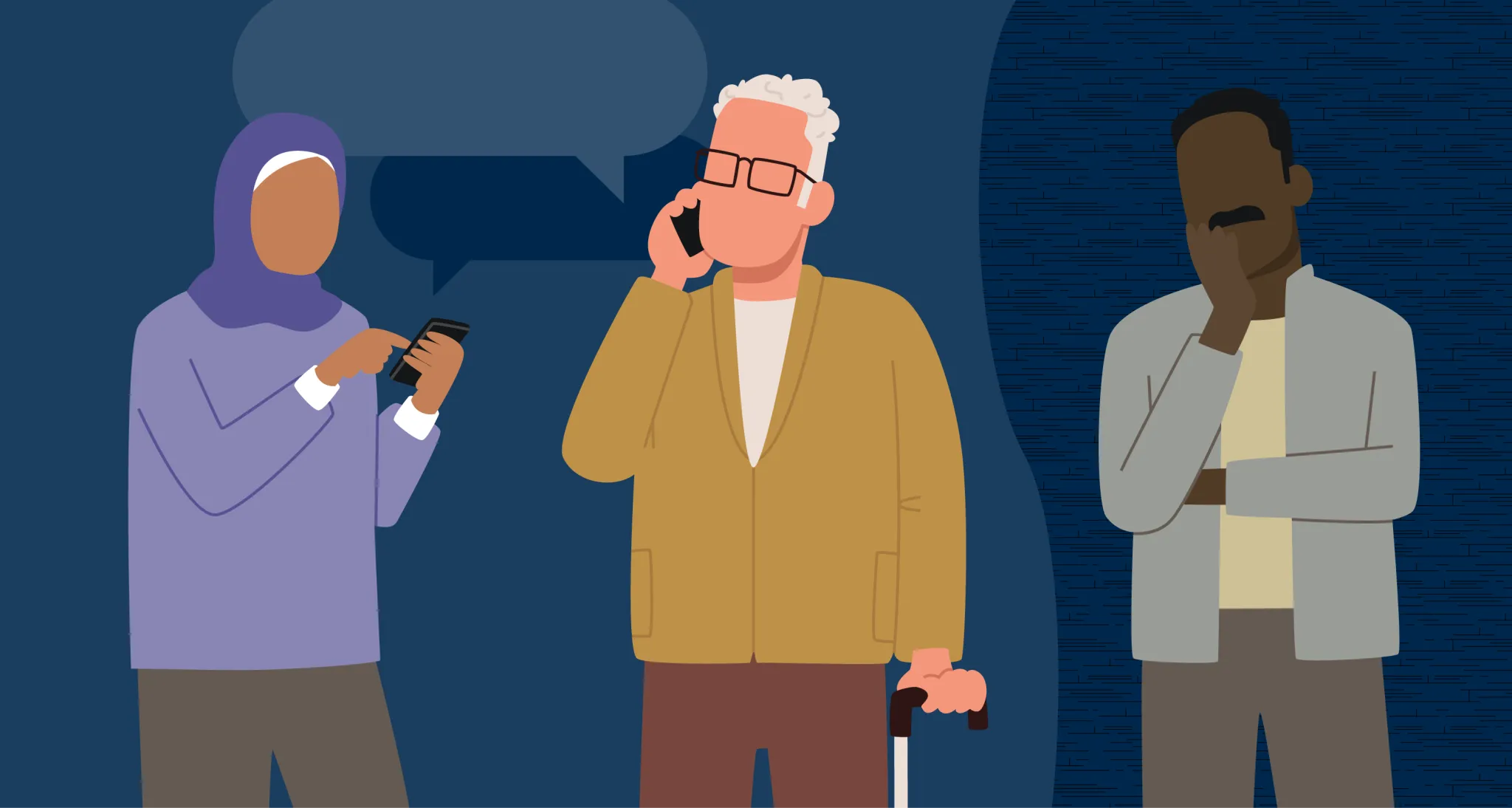
Are 988 and Other Mental Health Crisis Lines Missing People Over 50?
Poll finds 31% of older adults don’t know of any crisis line, and 69% haven’t heard of 988; lowest awareness is among men and Hispanic adults, who have high or rising suicide rates.
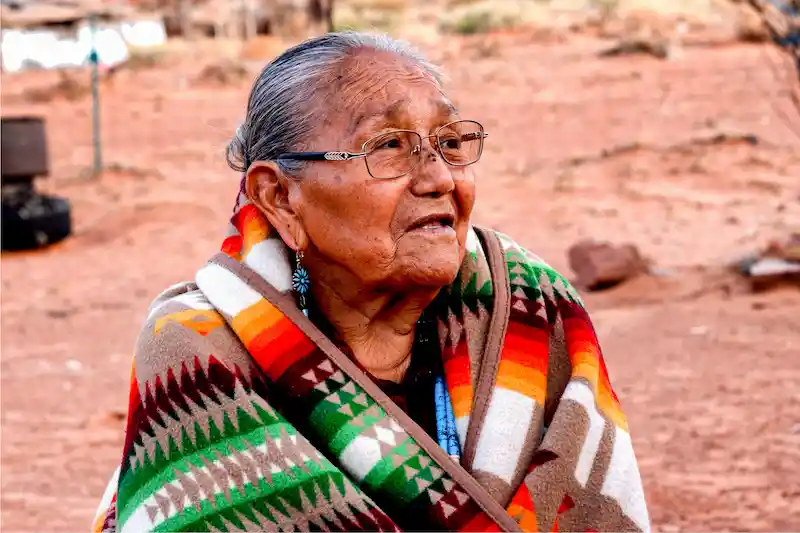
Home/Community-Based Services for American Indians & Alaska Natives
This brief examines barriers for AI/AN elders and relatives with disabilities in accessing Medicaid HCBS and identifies policy recommendations to improve access to support better health and independence and reduce the need for more costly care.
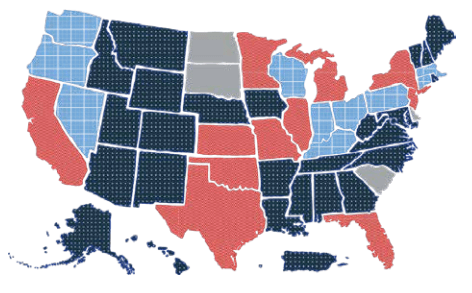
What Is a Certified Community Behavioral Health Clinic?
CCBHCs transform community behavioral health systems by delivering comprehensive, coordinated mental health and substance use disorder care. CCBHCs increase access to and improve the quality of behavioral health services.
Expanding Access to Brain Stimulation Therapies for SMI
Public mental health systems provide services for a large number of individuals with serious mental illness (SMI) who do not respond to standard treatments. This pattern reflects barriers in current care models and systems. This release explores the efficacy of brain stimulation to treat SMI.
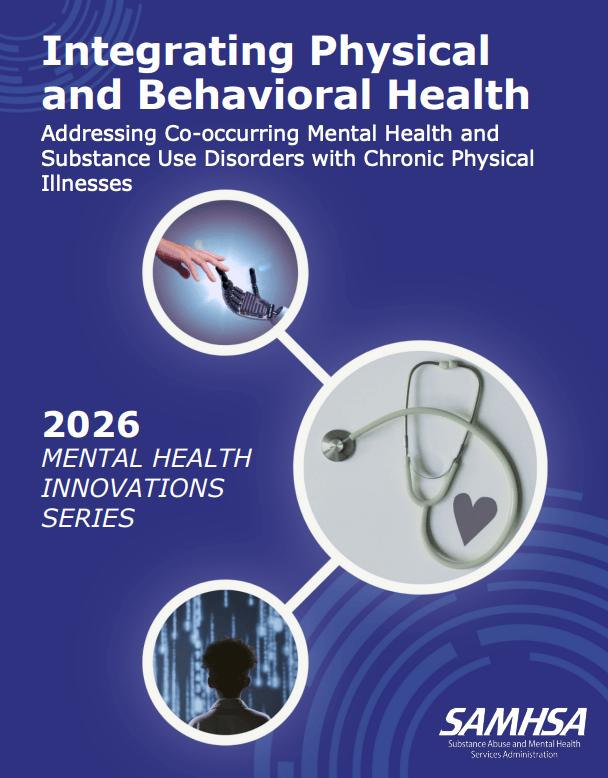
Integrating Physical and Behavioral Health
This report describes the evolving landscape of integrated care in the United States, including established frameworks that emphasize interdisciplinary teams, clear communication systems, and care coordination across providers.
Bringing Wearable Data Into Psychiatric Care
Integration of Google Health app and Fitbit data into care-team workflows is positioned as a proactive decision-support layer enabling real-time outreach and intervention for high-risk patients. SMIs are targeted as use cases where relapse and suicide risk may be mitigated through earlier detection.
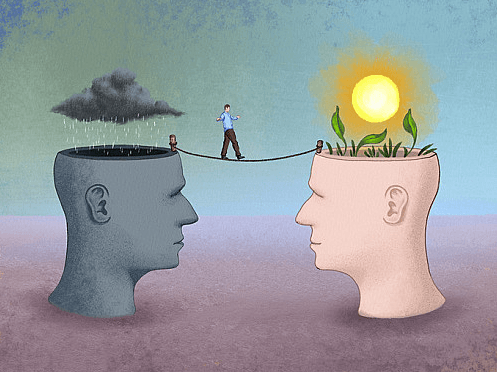
Self-Directed vs Clinician-Delivered CBT for Chronic Pain
A study exploring if self-directed cognitive behavioral therapy (CBT) when augmented with asynchronous, personalized feedback for chronic pain (CBT-CP) is superior to clinician-delivered CBT-CP. Results available.
Care for Aging Patients in the Correctional Setting
Position statement: The National Commission on Correctional Health Care recognizes the importance of effectively caring for the growing population of aging patients who reside in carceral settings.
Key Substance Use and Mental Health Indicators in the United States
Results from the 2025 National Survey on Drug Use and Health.

Study: The Dementia Care Partner Hub
Sherril Gelmon, Jenn Reed, and OCEBHA Co-Director Walter Dawson developed the Dementia Care Partner Hub as a "one-stop shop" to connect dementia care partners and services providers with information and resources, meeting a need that is not currently addressed in many communities. Published 4/2025

Study: Feasibility of Telephone-Based Cognitive Assessments...
Wider screening and assessment for Alzheimer's disease may increase access to supportive care. A study by OCEBHA Co-Director Walter Dawson et al. assessed the feasibility of recruiting older adults for telephone-based trials and administering telephone-based cognitive assessments. Published 4/2025

Impact of Traumatic Brain Injury on Risk for Schizophrenia and Bipolar
The impact of traumatic brain injury (TBI) on subsequent risk of schizophrenia (SCZ) or bipolar disorder (BD) remains contested. Possible genetic and environmental confounding effects have also been understudied. The researchers investigate the impact of TBI on the risk of SCZ and BD.
Behavioral Health Services and Older Adults: Coordinating Care
This resource provides a description of the shifting demographics of older adults in the US and older adults served by the public mental health system. It discusses which state mental health agencies (SMHAs) can coordinate policy and care with other agencies.

Social connection and Oregon Senior Loneliness Line
This research article explores Connection Planning, implemented to the Senior Loneliness Line, a theory-based and evidence-informed behavioral strategy for promoting feelings of social connection for older adults in Oregon.
SAMHSA Advisory: Addressing Cannabis Use Disorder in Primary Care
Cannabis is the third-most used psychoactive substance in the United States, following alcohol and tobacco. This Advisory offers guidance to healthcare providers, including pediatricians, adolescent medicine specialists, primary care providers, and geriatricians.
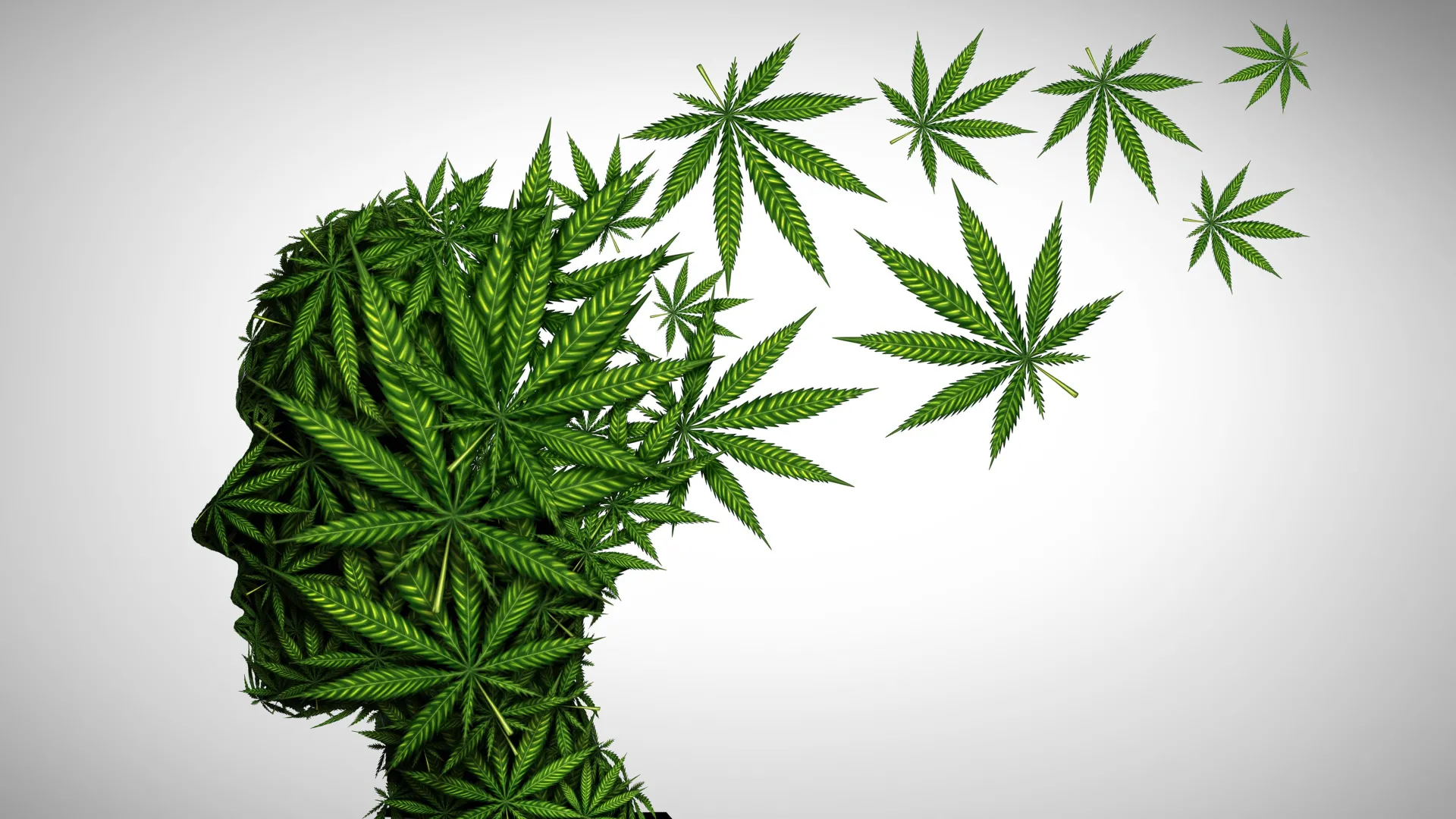
Is Cannabis Safe After 65? Stanford Experts Reveal 5 Risks
Stanford Medicine specialists say modern cannabis can increase the chances of heart problems, falls, memory issues, dangerous drug interactions, and even addiction, especially for people over 65.
Promoting Integrated Physical & Behavioral Health Care for Older Adults
This advisory presents a comprehensive strategy to advance the integration of physical and behavioral health care for older adults.
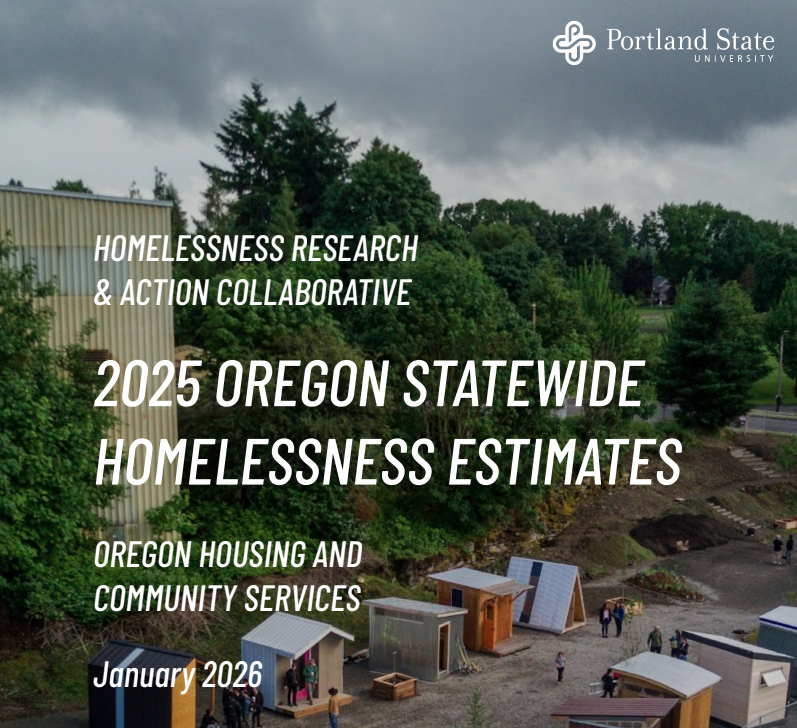
2025 Oregon Statewide Homelessness Estimates
The Point-in-Time Count is a census of people experiencing both sheltered and unsheltered homelessness on a single night in January as required by the federal government every other year.
Impact and Opportunities for CCBHCs in Rural Communities
The Impact and Opportunities for CCBHCs in Rural Communities resource document examines how CCBHCs are improving access to and quality of care in rural areas, while highlighting opportunities and key considerations for serving rural communities.
Improving Housing Stability for People With Behavioral Health Needs...
The Improving Housing Stability for People With Behavioral Health Needs Through the CCBHC Model document highlights strategies CCBHCs can use to promote housing stability and strengthen partnerships with national, state, and local organizations to better support people with behavioral health needs.